A century ago it was common for families to order house plans from companies like Sears, Roebuck and Co. and built themselves practical, well-crafted homes that still stand today. Vermont is revisiting that idea with a new statewide initiative called 802 Homes and the concept is simple. There will be 10 pre-designed home plans that property owners and developers can use for free. Even more impactful, these designs are expected to move through local permitting faster than a typical custom project.
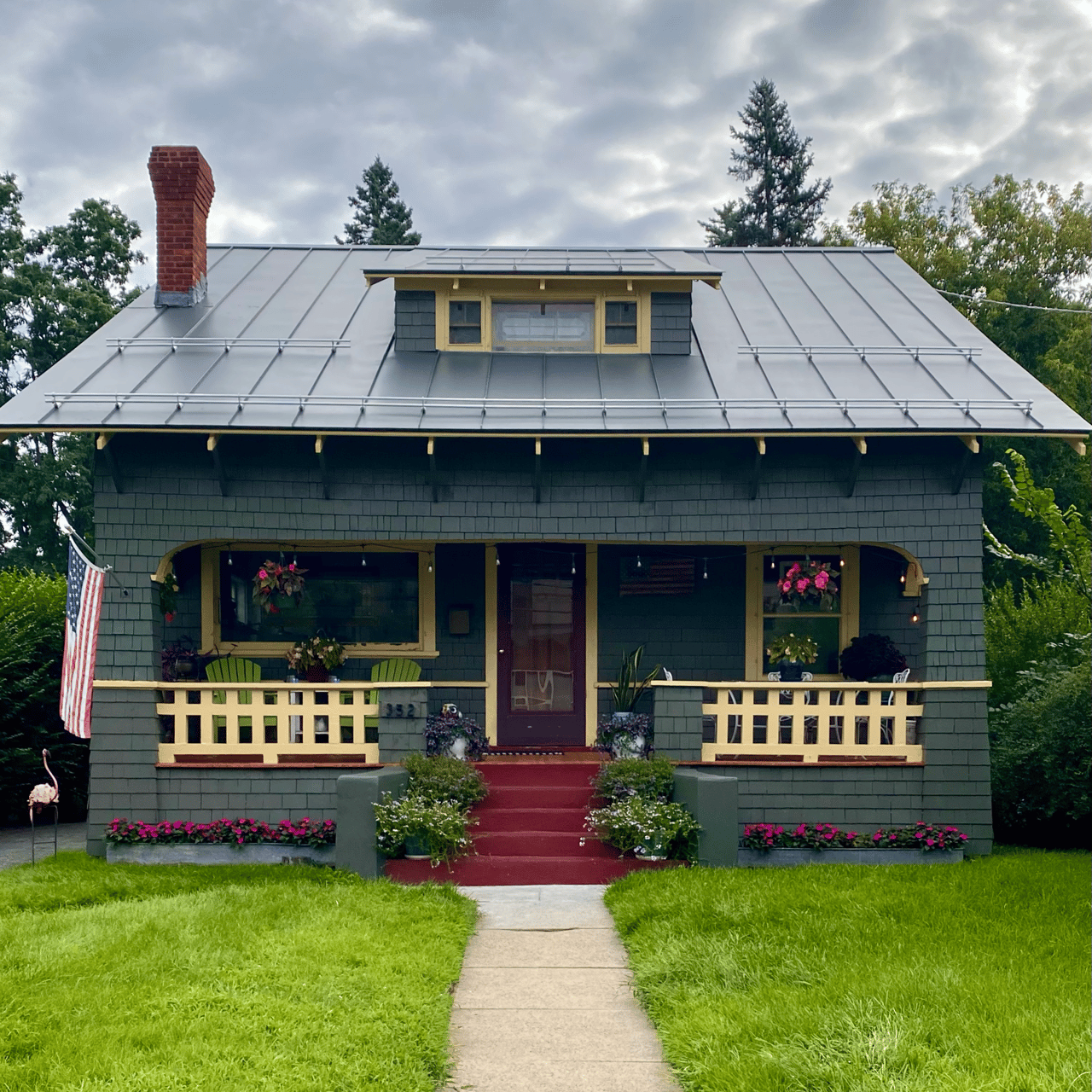
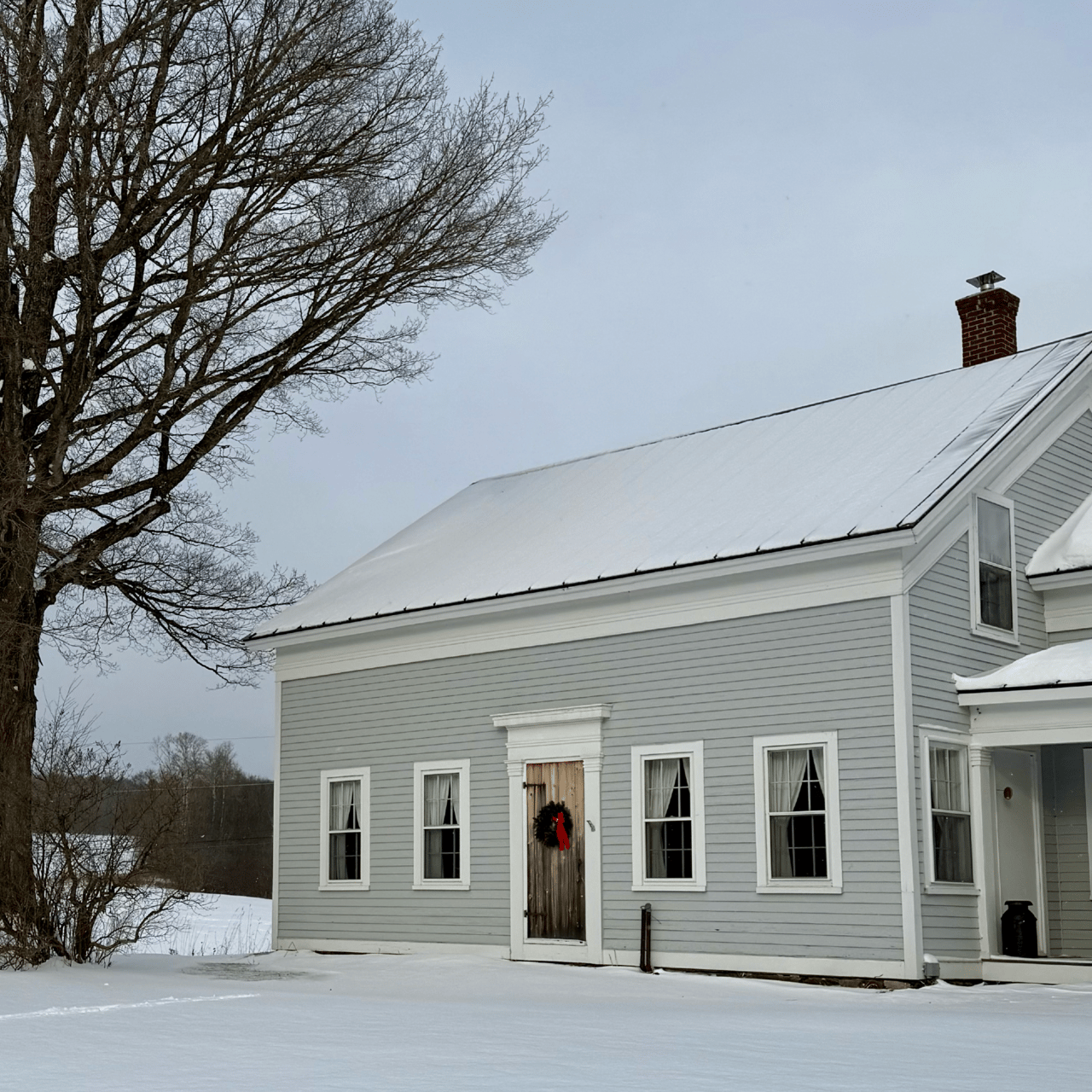
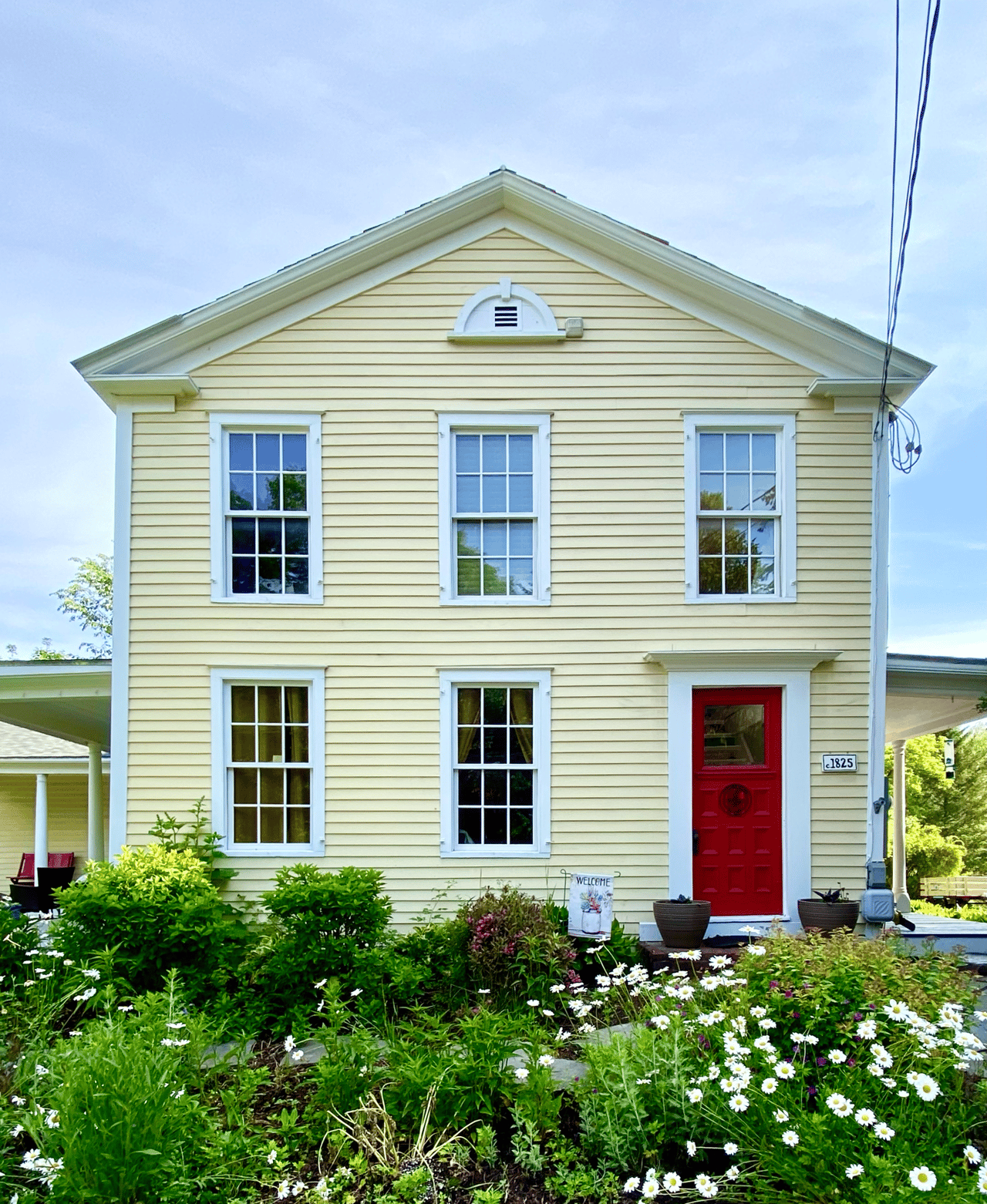
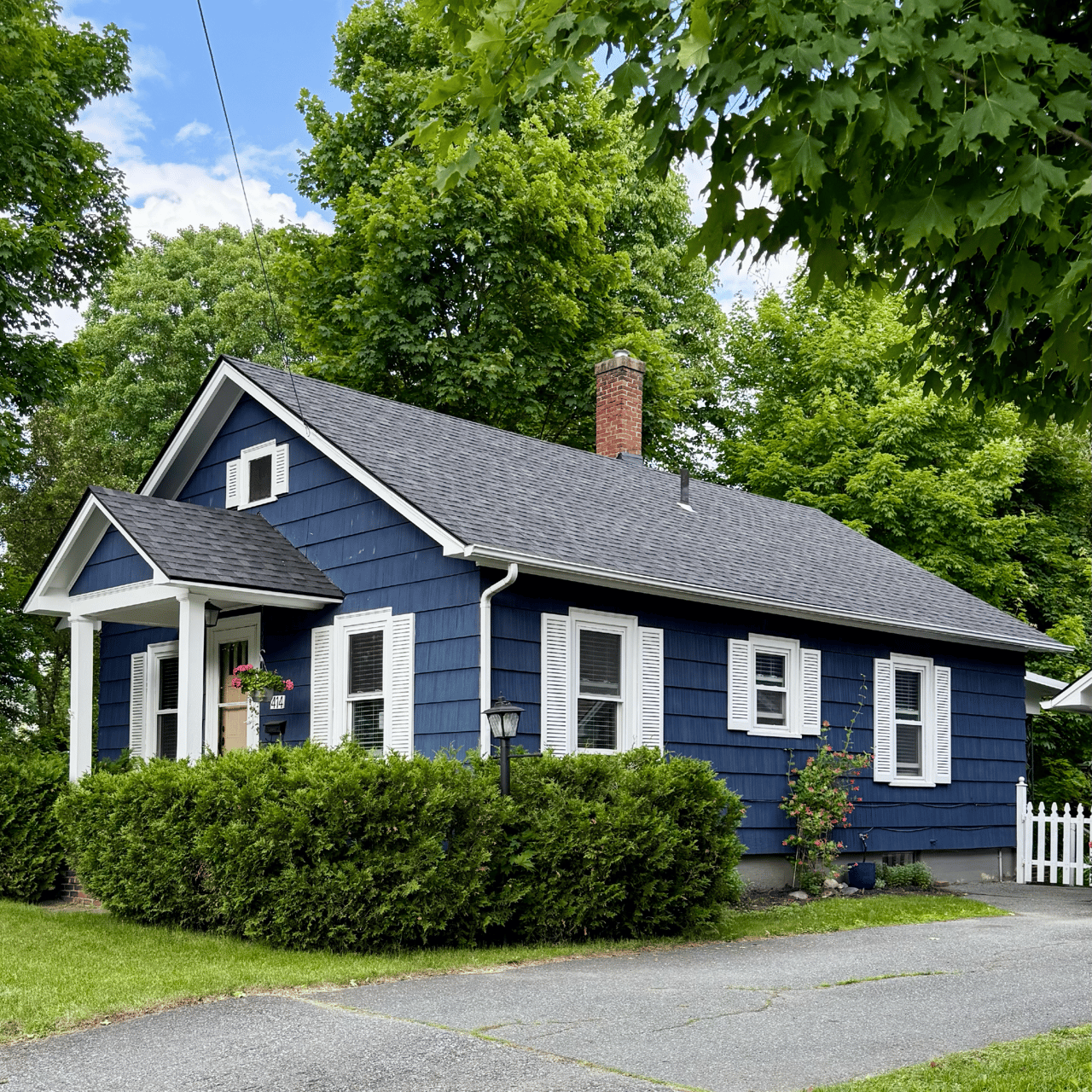
The ten draft designs include cottage apartments over garages, duplexes, and even three level homes. They are modeled after familiar Vermont building styles so they fit naturally into familiar neighborhoods and are what we would call the “missing middle” housing: modest, efficient homes that will add density to existing communities. The three pilot towns are Essex Junction, Hartford, and Manchester. The goal is to streamline local approvals and remove some of the red tape that slows down small builders and homeowners.
Zoning reforms in recent years have opened the door to more housing, but that alone has not had enough of an impact on addressing our state’s housing crisis. Even adding a single backyard unit can require hiring an architect, navigating review boards, and experience months of delay. 802 Homes aims to lower those barriers. If a design is pre-approved and compliant, the path to a permit and ultimately construction becomes streamlined. Better yet, there is also a cost component. In 2024, the median sale price of a newly built home in Vermont was close to $625,000. State officials hope these catalog homes could be built closer to $450,000 per unit, which better reflects what many Vermont buyers can realistically afford.
These homes can be constructed onsite or using modular techniques in a factory setting which matters in a state with a limited building season and high labor costs. For towns like Burlington, South Burlington, and Essex Junction, this could mean more starter homes and more downsizing options for older residents.
Solving Vermont's housing crisis is a complicated puzzle but I believe this is a small piece of that puzzle and I particularly appreciate that it is practical and can be easily implemented. Anything that reduces friction and encourages even a handful of additional projects in each community is a step in the right direction.